
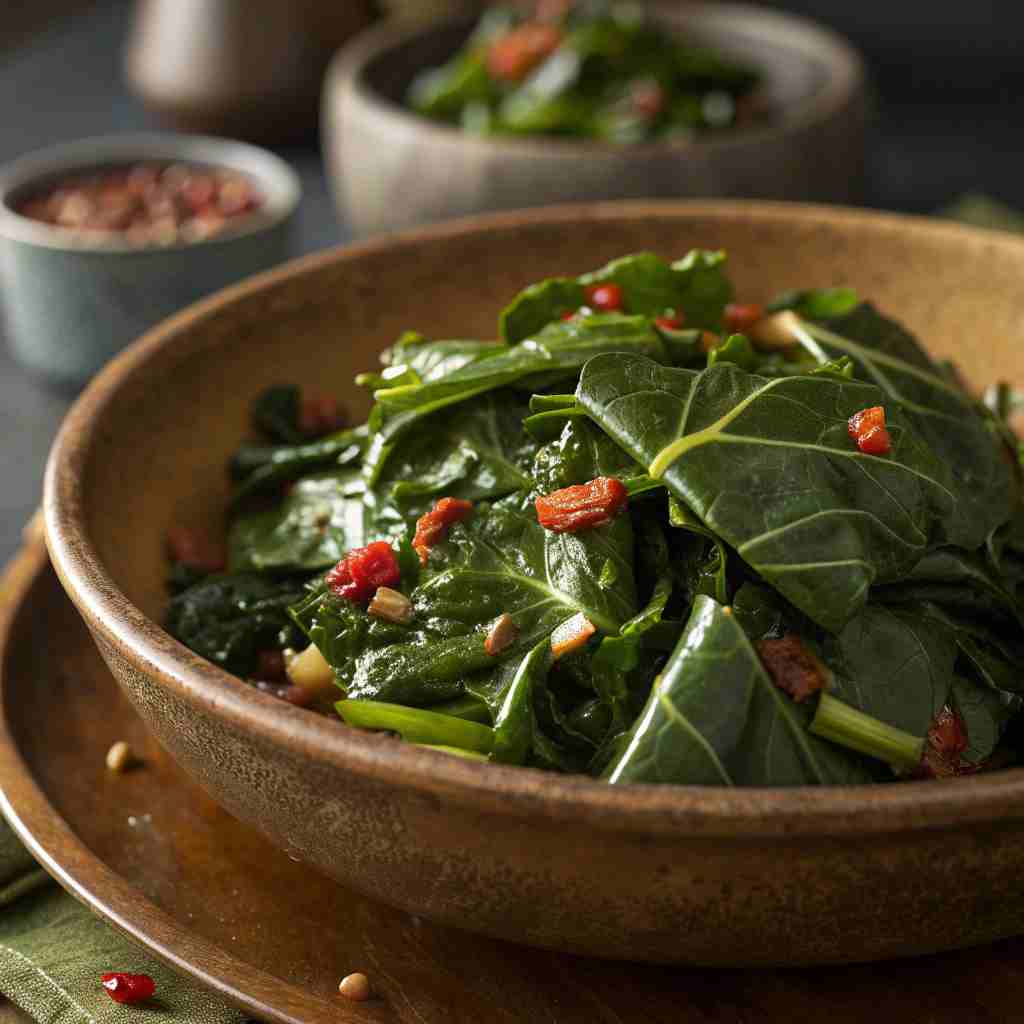
Welcome, food lovers and health enthusiasts! Today, we’re diving into a culinary gem that’s as nutritious as it is delicious: our Healthy Collard Greens Recipe. This isn’t just any side dish; it’s a low-calorie, nutrient-dense powerhouse that will transform your meals and elevate your well-being. If you’re looking for a simple, flavorful way to incorporate more greens into your diet, you’ve come to the right place. This recipe is designed for both seasoned cooks and kitchen novices alike, promising a satisfying result that’s brimming with goodness. Get ready to fall in love with collard greens all over again!
Key Ingredients for Healthy Collard Greens Recipe
Here’s what you’ll need to create this incredibly flavorful and healthy dish:
- 2 pounds fresh collard greens: Look for vibrant, dark green leaves without blemishes.
- 1 tablespoon olive oil: Extra virgin olive oil is preferred for its health benefits and rich flavor.
- 1 large yellow onion: Finely chopped. This forms the aromatic base of our dish.
- 4 cloves garlic: Minced. Fresh garlic provides the best flavor.
- 1 cup low-sodium vegetable broth: Or chicken broth if you prefer. This adds moisture and depth.
- 2 tablespoons apple cider vinegar: Crucial for that tangy, bright flavor that cuts through the richness of the greens.
- 1 teaspoon smoked paprika: Adds a lovely smoky note without needing bacon.
- ½ teaspoon red pepper flakes: Adjust to your spice preference. Adds a gentle heat.
- Salt and freshly ground black pepper: To taste.
- Optional for a touch of sweetness: 1 teaspoon maple syrup or a pinch of sugar.
How to Make Healthy Collard Greens Recipe
This healthy collard greens recipe is incredibly easy to prepare, delivering a delicious and satisfying result with minimal fuss. The tender, flavorful greens are simmered to perfection, boasting a delightful balance of smoky, tangy, and subtly spicy notes. It’s a versatile dish that can complement almost any meal, making it a stellar addition to your healthy eating repertoire. You’ll be amazed at how such a simple combination of ingredients can create such a rich and appealing side. Plus, with a total preparation and cooking time of just under an hour, it’s perfect for a weeknight dinner!
Step-by-Step Instructions:
- Prepare the Collard Greens: Begin by thoroughly washing the collard greens. This is a crucial step as they can often be sandy. Trim off the tough stems from the bottom of each leaf. Stack several leaves on top of each other, roll them tightly, and then slice them into ½-inch ribbons (this is called a chiffonade cut). Set aside.
- Sauté Aromatics: Heat the olive oil in a large pot or Dutch oven over medium heat. Add the chopped yellow onion and cook until softened and translucent, about 5-7 minutes. Stir frequently to prevent burning.
- Add Garlic and Spices: Add the minced garlic, smoked paprika, and red pepper flakes to the pot. Cook for another 1-2 minutes, stirring constantly, until fragrant. Be careful not to burn the garlic.
- Incorporate Collard Greens: Add the prepared collard greens to the pot. It might seem like a lot, but they will wilt down significantly. Stir them into the onion and garlic mixture. You might need to add them in batches if your pot is not large enough, allowing each batch to wilt slightly before adding more.
- Simmer to Perfection: Pour in the low-sodium vegetable broth and apple cider vinegar. Season with salt and black pepper to taste. Bring the liquid to a gentle simmer, then reduce the heat to low, cover the pot, and let the greens cook for 30-45 minutes. The cooking time will depend on how tender you like your greens. For a softer texture, cook longer. Stir occasionally to ensure even cooking.
- Adjust Seasoning and Serve: Once the collard greens are tender, remove the lid. Taste and adjust the seasoning as needed. If you desire a touch of sweetness, stir in the optional maple syrup or sugar. Serve hot and enjoy!
Why You’ll Love This Healthy Collard Greens Recipe
You’ll quickly fall in love with this Healthy Collard Greens Recipe because it masterfully highlights the earthy, robust flavor of collard greens, transforming them into a surprisingly elegant and comforting dish. The main highlight is how it brings out the natural sweetness of the greens while balancing it with a subtle smokiness and a tangy kick, all without the need for traditional high-fat additions like bacon or ham hocks. Making this dish at home offers incredible cost savings, as fresh collard greens are often very affordable, and you control the quality of ingredients, ensuring a wholesome meal.
The flavorful combination of smoked paprika, garlic, and apple cider vinegar makes these greens truly special, creating a symphony of tastes that will tantalize your palate. If you enjoyed our Simple Sautéed Spinach, you’re definitely going to adore this recipe, too! Give this healthy collard greens recipe a try tonight; your taste buds and your wallet will thank you!
What to Serve Healthy Collard Greens Recipe With
This versatile Healthy Collard Greens Recipe pairs beautifully with a variety of dishes. For a classic Southern-inspired meal, serve them alongside baked or grilled chicken, roasted sweet potatoes, and a side of cornbread. They also make an excellent accompaniment to leaner proteins like pan-seared salmon or baked tofu. If you’re looking for a hearty vegetarian option, pair them with a bowl of brown rice, quinoa, or even a flavorful lentil stew. For a lighter touch, they can be incorporated into a grain bowl with other roasted vegetables.
Top Tips for Perfecting Healthy Collard Greens Recipe
To ensure your Healthy Collard Greens Recipe turns out perfectly every time, keep these tips in mind:
- Proper Cleaning is Key: Collard greens can be notoriously sandy. Wash them under cool running water, leaf by leaf, paying close attention to the crevices. You can also soak them in a large basin of water for 10-15 minutes, then rinse, to dislodge any stubborn grit.
- Don’t Rush the Wilting: When adding the greens to the pot, be patient. They will seem voluminous at first, but with gentle stirring and a little heat, they will gradually wilt down. Avoid overfilling your pot; cook in batches if necessary.
- Balance the Flavors: Apple cider vinegar is essential for that bright, tangy finish that cuts through the earthy bitterness of the greens. Don’t omit it! Taste before adding, but a good splash at the end can truly elevate the dish. If your greens taste too bitter, a pinch of sugar or maple syrup can help balance the flavor without making them sweet.
- Low and Slow for Tenderness: Collard greens require a good simmer to become tender. Resist the urge to crank up the heat. Cooking them low and slow allows the fibers to break down without becoming mushy.
- Customize the Heat: The red pepper flakes add a subtle warmth. If you like more spice, increase the amount. For less heat, you can omit them entirely or use just a tiny pinch.
- Consider a Pinch of Umami: While this recipe is designed to be healthy and lighter, for an added layer of deep savory flavor, a tiny splash of liquid smoke or a rehydrated dried mushroom (removed before serving) can add complexity without adding animal fat.
Storing and Reheating Tips
Proper storage and reheating will ensure your Healthy Collard Greens Recipe remains delicious for days.
Storage: Allow the cooked collard greens to cool completely before transferring them to an airtight container. Refrigerate promptly within two hours of cooking. They will stay fresh in the refrigerator for up to 3-4 days.
Freezing: Collard greens freeze exceptionally well. Once cooled, place them in freezer-safe airtight containers or heavy-duty freezer bags. If using bags, squeeze out as much air as possible to prevent freezer burn. Label with the date. Frozen collard greens can be stored for up to 3 months.
Reheating:
- From the Refrigerator: Reheat greens gently on the stovetop over medium-low heat, stirring occasionally, until warmed through. You may need to add a tablespoon or two of water or broth to prevent them from drying out. Alternatively, microwave in a microwave-safe dish, covered, for 1-2 minutes, stirring halfway through.
- From the Freezer: For best results, thaw frozen greens in the refrigerator overnight. Then, reheat on the stovetop or in the microwave as you would with refrigerated greens. If reheating directly from frozen, it will take longer, and you’ll definitely want to add a splash of liquid to prevent them from sticking or burning.
Final Thoughts
This Healthy Collard Greens Recipe offers a delicious, wholesome, and incredibly satisfying way to enjoy one of nature’s most nutritious leafy greens. It’s a testament to how simple ingredients can create rich, comforting flavors without compromising on health. Whether you’re looking to boost your nutrient intake, add variety to your meal plan, or simply enjoy a fantastic vegetable dish, these collard greens are sure to become a cherished addition to your recipe collection.
try also :
- Lentil and Sweet Potato Salad
- Cranberry Brie Bites
- Crispy Sweet Potato Bites
- Matcha Cake Recipe
- find more in Pinterest
Healthy Collard Greens Recipe FAQs
Q1: Do I have to remove the tough stems from the collard greens?
A1: Yes, it’s highly recommended. The tough stems are fibrous and can be unpleasant to eat. Removing them ensures a more tender and enjoyable texture throughout the dish.
Q2: Can I use pre-cut collard greens?
A2: Absolutely! Pre-cut collard greens can be a great time-saver. Just make sure to still wash them thoroughly, as they can sometimes contain grit.
Q3: What if I don’t have apple cider vinegar?
A3: While apple cider vinegar provides a unique tang, you can substitute with red wine vinegar or even a squeeze of fresh lemon juice. The flavor profile will change slightly but will still provide that essential brightness.
Q4: Can I make this recipe spicier?
A4: Yes, definitely! Increase the amount of red pepper flakes to your liking, or add a pinch of cayenne pepper for an extra kick.
Q5: Is this recipe vegan/vegetarian?
A5: Yes, this recipe is completely vegan and vegetarian, as it uses olive oil and vegetable broth. It’s a fantastic plant-based side dish!
Q6: Why are my collard greens bitter?
A6: Collard greens can naturally have a slightly bitter taste. Ensuring they are cooked thoroughly (low and slow) helps mellow this. Additionally, the apple cider vinegar and a pinch of sugar or maple syrup can effectively balance and counteract any lingering bitterness.
Q7: Can I add other vegetables to this recipe?
A7: While this recipe focuses on collard greens, you could certainly add other quick-cooking greens like spinach or kale towards the end of the cooking process. Diced bell peppers or carrots could also be sautéed with the onion for added nutrients and color.
Q8: How many servings does this recipe make?
A8: This recipe typically yields 4-6 servings as a side dish, depending on portion size.