
Are you looking to boost your daily protein intake with a versatile High Protein Food List that fuels your body? This comprehensive guide breaks down the essential protein-rich ingredients you need to create satisfying and nutritious meals, ensuring you meet your fitness and wellness goals with ease and deliciousness.
Key Ingredients for Your High Protein Diet
- Lean Meats:
- Chicken Breast: 1 pound, skinless and boneless
- Lean Ground Turkey: 1 pound (93% lean or higher)
- Lean Beef (e.g., Sirloin Steak, 90% lean ground beef): 1 pound
- Fish and Seafood:
- Salmon Fillets: 2 x 6-ounce portions
- Tuna (canned in water, drained): 2 x 5-ounce cans
- Shrimp (raw, peeled, and deveined): 1 pound
- Dairy and Eggs:
- Eggs: 1 dozen (large)
- Greek Yogurt (plain, non-fat): 2 x 32-ounce tubs
- Cottage Cheese (low-fat): 1 x 16-ounce container
- Milk (skim or 1%): 1 gallon
- Plant-Based Proteins:
- Lentils (dried): 1 pound bag
- Chickpeas (canned, drained and rinsed): 2 x 15-ounce cans
- Black Beans (canned, drained and rinsed): 2 x 15-ounce cans
- Tofu (firm or extra-firm): 2 x 14-ounce blocks
- Tempeh: 1 x 8-ounce package
- Quinoa (uncooked): 1 pound bag
- Nuts and Seeds:
- Almonds (raw, unsalted): 1 pound bag
- Walnuts (raw, unsalted): 1 pound bag
- Chia Seeds: 1 x 12-ounce bag
- Flaxseeds (ground): 1 x 12-ounce bag
- Peanut Butter (natural, unsweetened): 1 x 16-ounce jar
- Protein Powders (Optional):
- Whey Protein Isolate: 1 container (for post-workout or smoothies)
- Plant-Based Protein Powder (e.g., pea, soy): 1 container (for vegan/vegetarian options)
How to Construct Your Ultimate High Protein Meal Plan
This isn’t just a list; it’s your key to unlocking delicious, power-packed meals that will keep you feeling full and energized. Imagine creating vibrant salads, hearty stews, and satisfying smoothies with ease, all while prioritizing your protein goals. This approach saves you time and money by focusing on versatile, budget-friendly ingredients that form the foundation of a healthy diet. Preparation time will vary depending on the specific meals you choose to create.
Step-by-Step Meal Planning with Your High Protein Food List
- Assess Your Daily Protein Needs: Before diving in, it’s helpful to have a general idea of your target protein intake. This can be based on your activity level, weight, and goals. A common recommendation is 0.8 to 1.6 grams of protein per kilogram of body weight.
- Build Balanced Meals: Aim to include at least one to two protein sources in every meal and snack. A good strategy is to pair a lean protein with complex carbohydrates and healthy fats for sustained energy.
- Incorporate Variety: Don’t get stuck in a rut! Rotate through the different protein categories on your list. For instance, enjoy salmon for omega-3s one day, chicken breast for a lean staple the next, and lentil soup for a plant-powered option on another.
- Prioritize Whole Foods: While protein powders can be convenient, focus on whole, unprocessed foods as your primary protein sources. These offer a broader range of nutrients, fiber, and satiety.
- Plan Your Snacks: Protein-rich snacks are crucial for bridging meals and preventing overeating. Think Greek yogurt with berries, a handful of almonds, or hard-boiled eggs.
- Batch Cooking for Efficiency: Dedicate some time to batch cooking protein sources like chicken breasts, ground turkey, or lentils. This makes assembling meals throughout the week incredibly fast.
- Adapt to Dietary Preferences: This list is highly adaptable. For vegetarians and vegans, lean heavily on legumes, tofu, tempeh, quinoa, nuts, and seeds. For those with specific allergies, ensure you substitute accordingly.
- Don’t Forget Flavor: Protein doesn’t have to be bland! Utilize herbs, spices, healthy sauces (like a Greek yogurt-based dip), and marinades to make your protein-rich meals exciting.
- Hydration is Key: Always remember to drink plenty of water throughout the day, especially when increasing your protein intake, as it aids digestion and metabolism.
- Listen to Your Body: Pay attention to how different protein sources make you feel. Some individuals may digest certain proteins better than others. Adjust your High Protein Food List as needed.
Why You’ll Love Building Your High Protein Diet
Discover the power of fueling your body with a nutrient-dense High Protein Food List, transforming your eating habits into a sustainable and delicious journey. This approach makes prioritizing your protein intake effortless, ensuring you feel fuller for longer and supporting muscle growth and repair without breaking the bank. Imagine enjoying vibrant, flavorful meals that are just as satisfying as their less-nutritious counterparts, all while knowing you’re making a smart investment in your health. It’s a far cry from bland, restrictive diets; think hearty lentil stews, zesty shrimp skewers, and creamy Greek yogurt parfaits that truly delight your taste buds.
By arming yourself with this comprehensive High Protein Food List, you’re not just eating for satisfaction; you’re building a foundation for sustained energy, improved recovery, and a leaner physique. This strategy empowers you to create incredible meals at home, saving you money on expensive restaurant dishes and pre-packaged diet foods. So, dive in, experiment with these fantastic ingredients, and experience the invigorating difference a protein-rich diet can make.
Storing and Reheating Tips for Your Protein-Rich Ingredients
- Raw Meats and Poultry: Store in the coldest part of your refrigerator, usually the bottom shelf, in their original packaging or sealed containers. Consume within 1-2 days for chicken and ground meats, and 3-5 days for steaks and roasts. For longer storage, freeze immediately in airtight freezer bags or wrap tightly in plastic wrap and then foil.
- Cooked Meats and Poultry: Once cooked, allow to cool completely before refrigerating in airtight containers. They generally last 3-4 days in the refrigerator. Reheat gently in a skillet, oven, or microwave until thoroughly heated.
- Fish and Seafood:
- Raw: Store in the coldest part of the fridge, on ice if possible. Consume within 1-2 days. Freeze raw fish in airtight packaging for up to 2-3 months.
- Cooked: Store in airtight containers and consume within 2-3 days. Reheat gently to avoid drying out, ideally in a covered skillet with a little liquid or in the oven at a low temperature.
- Eggs: Store in their original carton in the main part of your refrigerator (not the door). They are best used within 3-5 weeks of purchase. Hard-boiled eggs will last about a week in the refrigerator.
- Dairy (Greek Yogurt, Cottage Cheese, Milk): Keep refrigerated. Check expiration dates. Once opened, consume Greek yogurt and cottage cheese within 5-7 days. Milk typically lasts 5-7 days after opening, but always check the expiration date.
- Legumes (Canned): Store unopened cans in a cool, dry pantry. Opened cans should be transferred to an airtight container and refrigerated, lasting 3-4 days.
- Legumes (Dried): Store in airtight containers in a cool, dry place for up to a year. Cooked dried legumes can be refrigerated for 3-4 days and reheated as usual.
- Tofu and Tempeh: Store unopened packages in the refrigerator. Once opened, drain well and store in an airtight container submerged in water (change water daily) for 3-5 days. Cooked tofu and tempeh can be refrigerated for 3-4 days and reheated by pan-frying or baking.
- Nuts and Seeds: Store in airtight containers in a cool, dark pantry for several months. For longer storage or to prevent rancidity, especially in warmer climates, store in the refrigerator or freezer.
- Protein Powders: Keep containers tightly sealed in a cool, dry place away from direct sunlight. Follow the manufacturer’s recommendations for shelf life; typically, they last 1-2 years if stored properly.
Final Thoughts
Building a robust High Protein Food List is your secret weapon for delicious, satisfying, and health-conscious eating. Embrace these versatile ingredients, get creative in the kitchen, and enjoy the incredible benefits of a protein-powered lifestyle!
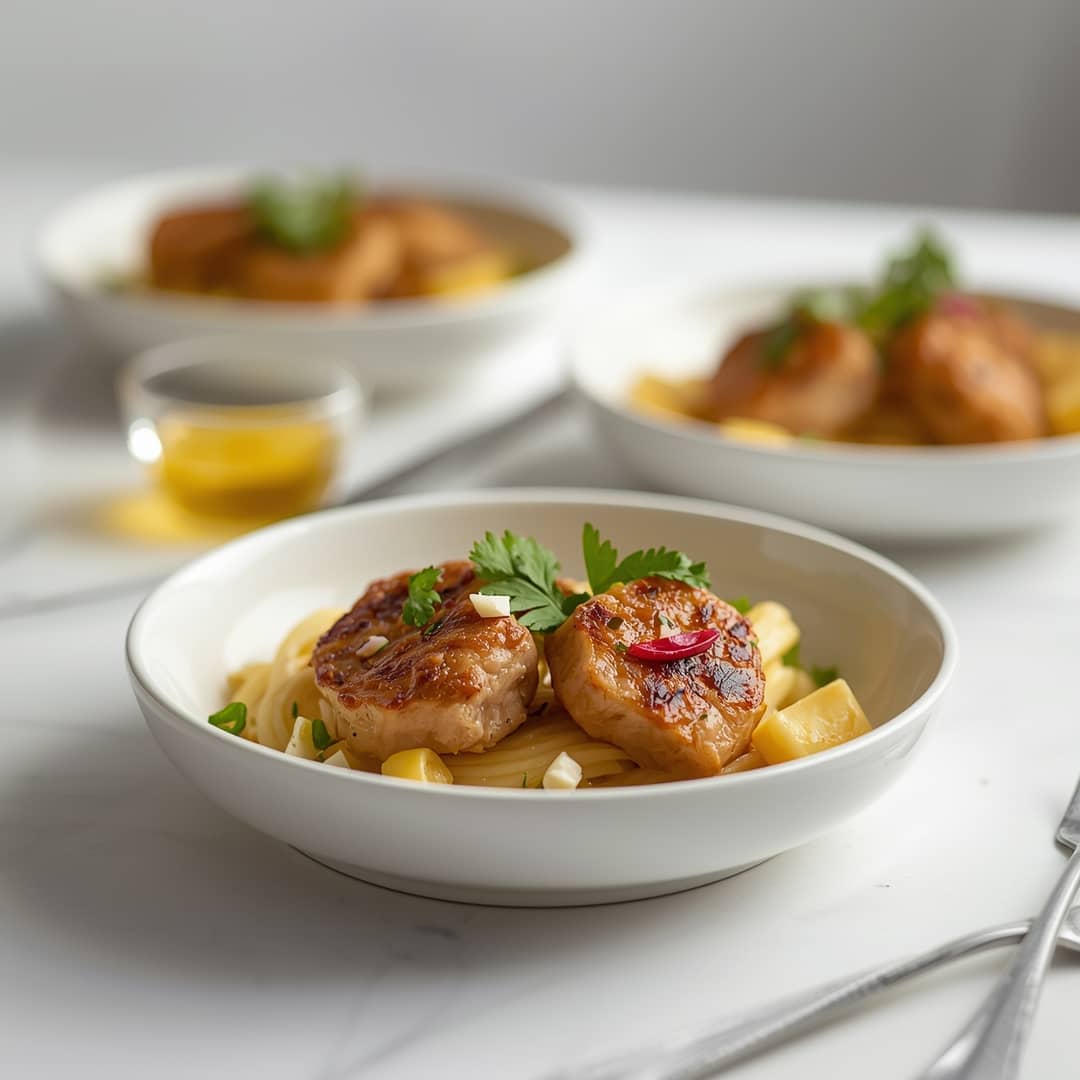
High Protein Food List
Ingredients
Method
- Assess your daily protein needs. This can be based on your activity level, weight, and goals. A common recommendation is 0.8 to 1.6 grams of protein per kilogram of body weight.
- Build balanced meals. Aim to include at least one to two protein sources in every meal and snack. A good strategy is to pair a lean protein with complex carbohydrates and healthy fats for sustained energy.
- Incorporate variety. Rotate through the different protein categories on your list. For instance, enjoy salmon for omega-3s one day, chicken breast for a lean staple the next, and lentil soup for a plant-powered option on another.
- Prioritize whole foods. While protein powders can be convenient, focus on whole, unprocessed foods as your primary protein sources. These offer a broader range of nutrients, fiber, and satiety.
- Plan your snacks. Protein-rich snacks are crucial for bridging meals and preventing overeating. Think Greek yogurt with berries, a handful of almonds, or hard-boiled eggs.
- Batch cooking for efficiency. Dedicate some time to batch cooking protein sources like chicken breasts, ground turkey, or lentils. This makes assembling meals throughout the week incredibly fast.
- Adapt to dietary preferences. For vegetarians and vegans, lean heavily on legumes, tofu, tempeh, quinoa, nuts, and seeds. For those with specific allergies, ensure you substitute accordingly.
- Don’t forget flavor. Utilize herbs, spices, healthy sauces (like a Greek yogurt-based dip), and marinades to make your protein-rich meals exciting.
- Hydration is key. Always remember to drink plenty of water throughout the day, especially when increasing your protein intake, as it aids digestion and metabolism.
- Listen to your body. Pay attention to how different protein sources make you feel. Some individuals may digest certain proteins better than others. Adjust your High Protein Food List as needed.