
This comprehensive New Years Black Eyed Pea Recipes guide offers the ultimate collection of flavorful and symbolic dishes to kick off your year with good fortune, providing multiple delicious variations of this traditional meal. From hearty stews to vibrant salads, these recipes are easy to follow and celebrated for bringing luck and prosperity in the new year.
Key Ingredients for New Years Black Eyed Pea Recipes
Here’s an overview of the essential ingredients you’ll generally need, though specific variations will have their own unique additions:
- 1 pound (about 2 ½ cups) Dried Black-Eyed Peas: The star of the show. Look for fresh, unblemished peas. (No need to soak overnight for many modern recipes, but check individual recipe instructions).
- 6-8 cups Chicken or Vegetable Broth: For simmering and infusing flavor. Choose low-sodium options to control saltiness.
- ½ pound Smoked Ham Hock or Salt Pork: Essential for imparting that deep, smoky, savory flavor. Bacon can also be used.
- 1 large Yellow Onion: Finely chopped, forms the aromatic base.
- 2 cloves Garlic: Minced, adds pungent depth.
- 1 Green Bell Pepper: Diced, for a touch of freshness and color.
- 2 stalks Celery: Diced, contributes to the classic mirepoix.
- 1-2 tsp Smoked Paprika: Enhances the smoky profile.
- ½ tsp Cayenne Pepper (optional): For a subtle kick, adjust to your spice preference.
- 1 Bay Leaf: Aromatic, adds a subtle herbal note.
- Salt and Freshly Ground Black Pepper: To taste.
- Optional for serving: Cornbread, hot sauce, chopped fresh cilantro or parsley.
How to Make New Years Black Eyed Pea Recipes
These New Years Black Eyed Pea Recipes are designed to be incredibly easy, delicious, and deeply satisfying, offering a comforting start to the new year. Their simplicity lies in the straightforward simmering process, allowing the smoky ham hock and aromatic vegetables to fully infuse the creamy black-eyed peas with rich, savory flavors. This dish truly shines with its earthy taste and hearty texture, providing a wonderfully wholesome meal that often takes around 1.5 to 2 hours from start to finish, with minimal active cooking time.
Step-by-Step Instructions:
- Prepare the Black-Eyed Peas: Rinse the dried black-eyed peas thoroughly under cold running water. Pick through them to remove any small stones or debris. While some older recipes call for overnight soaking, many modern methods, especially for unsoaked peas, involve a quick boil method to soften them before simmering. To quick soak: Place peas in a large pot, cover with water by 2 inches, bring to a boil for 2 minutes, then remove from heat, cover, and let stand for 1 hour. Drain well.
- Render the Pork: In a large Dutch oven or heavy-bottomed pot, place the ham hock (or salt pork/bacon). If using bacon, cook until crispy, remove, and reserve. If using ham hock or salt pork, add a tablespoon of olive oil if needed, and brown on all sides over medium-high heat for about 5-7 minutes. This step helps develop a rich flavor base.
- Sauté the Aromatics: Reduce heat to medium. Add the chopped onion, green bell pepper, and celery to the pot (with the ham hock if still in the pot, or with the rendered bacon fat). Sauté for 8-10 minutes, or until the vegetables are softened and the onion is translucent. Add the minced garlic and cook for another minute until fragrant.
- Add Spices and Peas: Stir in the smoked paprika and cayenne pepper (if using) and cook for 30 seconds, allowing the spices to bloom. Add the rinsed and prepared black-eyed peas to the pot, stirring to combine them with the vegetables and spices.
- Simmer to Perfection: Pour in the chicken or vegetable broth, ensuring the peas are fully submerged. Add the bay leaf. Bring the mixture to a boil, then reduce the heat to low, cover the pot, and simmer gently for 1 to 1.5 hours, or until the black-eyed peas are tender and creamy. Stir occasionally to prevent sticking. If the liquid evaporates too much, add a little more broth or water.
- Finish and Season: Once the peas are tender, remove the ham hock (if used) and bay leaf. If using a ham hock, you can pull the meat off the bone, shred it, and return it to the pot for extra flavor and substance. Season the black-eyed peas generously with salt and freshly ground black pepper to taste. Adjust seasoning as needed.
- Serve: Ladle the New Years Black Eyed Peas into bowls. Garnish with chopped fresh cilantro or parsley, a dash of hot sauce, and a side of warm cornbread for a truly traditional and delicious meal.
Why You’ll Love This New Years Black Eyed Pea Recipes
You’ll truly adore these New Years Black Eyed Pea Recipes for their unparalleled comfort and the promise of good fortune they embody – a delicious spoonful of tradition! The distinct, earthy flavor profile, enhanced by the smoky ham hock and perfectly balanced with aromatic vegetables, creates a hearty and wholesome dish that feels both celebratory and deeply satisfying. Unlike store-bought canned versions which can often be bland, making this at home allows for depth of flavor and a creamy texture that is simply unmatched, all while being incredibly budget-friendly.
The best part about this classic recipe is how easily you can customize it with vibrant toppings like a dash of spicy hot sauce, a sprinkle of fresh cilantro, or even a dollop of pickled onions, elevating each bite. It offers a warmth and richness that a simple lentil soup sometimes misses. Don’t wait for luck to find you – embrace these recipes, make them your own, and start your year off with a bowl full of delicious tradition and prosperity!
What to Serve New Years Black Eyed Pea Recipes With
[IN_ARTICLE_IMAGE_HERE – Suggestion: A bowl of black-eyed peas next to a slice of cornbread and a side of collard greens]
New Years Black Eyed Pea Recipes are a star on their own, but they truly shine when paired with complementary dishes that enhance their southern charm and tradition. For a classic Southern New Year’s meal, serving them alongside braised collard greens or mustard greens is a must; their slight bitterness beautifully cuts through the richness of the peas and ham. Another essential pairing is a warm, buttery slice of cornbread, perfect for soaking up every last bit of the flavorful liquid.
For added heartiness, consider a side of smoked ham or a simple pork roast to round out the meal, symbolizing good luck for many. A fresh, crisp corn salad or a light vinegar-based coleslaw can offer a refreshing textural contrast. Don’t forget a splash of your favorite hot sauce or a sprinkle of apple cider vinegar directly into your bowl for a zesty kick!
Top Tips for Perfecting New Years Black Eyed Pea Recipes
To truly master your New Years Black Eyed Pea Recipes, here are some invaluable tips from a seasoned cook:
- Don’t Skip the Rinse and Sort: Even if not soaking, always rinse your dried black-eyed peas thoroughly and quickly sort through them. This removes any dust, small debris, or tiny stones that can sometimes be found in dried legumes, ensuring a pleasant eating experience.
- The Power of Pork: The smoky element is crucial. While ham hocks are traditional, if you can’t find them, salt pork or thick-cut bacon can be excellent substitutes. For a lighter touch, even smoked turkey wings or necks can impart a wonderful less-greasy flavor. If going vegetarian, use liquid smoke or smoked paprika generously to achieve a similar depth.
- Building Flavor Layers: Don’t rush the sautéing of your “holy trinity” (onion, celery, bell pepper) and garlic. Allowing these aromatics to soften and become fragrant forms the essential flavor base for the entire dish. Add spices like paprika to bloom in a little fat before adding liquid for maximum flavor release.
- To Soak or Not to Soak? While many modern black-eyed peas cook well without overnight soaking, a quick soak (boil for 2 minutes, rest for 1 hour) can reduce cooking time and ensure a more even texture. If you choose not to soak, just be prepared for the peas to cook longer, potentially 1.5 to 2 hours of simmering.
- Simmer, Don’t Boil: Once your pot comes to a boil, immediately reduce the heat to a gentle simmer. A vigorous boil can cause the peas to break apart too much and isn’t necessary for tenderizing. A slow, steady simmer ensures creamy, intact peas.
- Seasoning is Key (and at the Right Time): Avoid adding salt too early in the cooking process, especially if using ingredients like ham hocks or broth, which are already salty. Salting too soon can toughen the skins of the peas. Season well towards the end, tasting frequently, and adjust with an extra pinch of salt, pepper, or a dash of hot sauce or vinegar. A little acidity (from vinegar or a squeeze of lemon) can brighten the flavors beautifully.
- Batch Cooking for Better Flavor: Like many stews, black-eyed peas often taste even better the next day as the flavors have more time to meld and deepen. Consider making a larger batch to enjoy leftovers.
- Common Mistake to Avoid: Undercooking the peas. They should be tender and creamy, not hard or chalky. If they still feel firm after the suggested cooking time, continue simmering, checking every 15-20 minutes, until they reach the desired tenderness. Adding a pinch of baking soda (about 1/4 tsp per pound of peas) during the final hour of cooking can help soften exceptionally hard peas, but use sparingly.
Storing and Reheating Tips
Proper storage and reheating are crucial for enjoying your delicious New Years Black Eyed Pea Recipes long after the New Year’s Day feast.
- Refrigeration: Once fully cooled, transfer the black-eyed peas to an airtight container. They will last beautifully in the refrigerator for up to 3-4 days. The flavors often deepen overnight, making them even more delicious the next day.
- Freezing: Black-eyed peas freeze exceptionally well, making them ideal for meal prepping or saving for a quick, comforting meal. Allow the dish to cool completely, then transfer it to freezer-safe bags or airtight containers, leaving about an inch of headspace if using containers, as liquids expand when frozen. They can be stored in the freezer for up to 3 months. Clearly label containers with the date.
- Reheating (Thawed): For best results, thaw frozen black-eyed peas overnight in the refrigerator. Reheat gently on the stovetop over medium-low heat, stirring occasionally. If the consistency is too thick, add a splash of broth or water until it reaches your desired consistency. You can also reheat individual portions in the microwave until heated through, stirring halfway.
- Reheating (Frozen): If you’re in a pinch, you can reheat frozen black-eyed peas directly on the stovetop over very low heat with a lid, stirring frequently and adding a little liquid until thawed and heated through. Be patient, as this takes longer.
- Optimal Taste: To refresh the flavors when reheating, a touch more freshly ground black pepper, a dash of hot sauce, or a squeeze of lemon juice can work wonders. If you have any leftover smoked pork or fresh herbs, add them during the reheating process for an extra boost of flavor.
Final Thoughts
These New Years Black Eyed Pea Recipes offer more than just a meal; they’re a comforting, tradition-filled start to your year, promising both deliciousness and good fortune. Easy to follow and bursting with rich, smoky flavors, this homemade dish is a wholesome way to gather loved ones and embrace new beginnings. So, gather your ingredients, savor the cooking process, and kick off your New Year with a bowl of warm, lucky black-eyed peas!
try also :
- Lentil and Sweet Potato Salad
- Cranberry Brie Bites
- Crispy Sweet Potato Bites
- Matcha Cake Recipe
- find more in Pinterest
New Years Black Eyed Pea Recipes FAQs
Q1: Why are black-eyed peas eaten on New Year’s Day?
A1: Eating black-eyed peas on New Year’s Day is a long-standing Southern tradition believed to bring good luck and prosperity in the coming year. The peas symbolize coins or good fortune, often served with collard greens (representing money) and cornbread (representing gold).
Q2: Do I need to soak black-eyed peas before cooking?
A2: While traditional methods often called for overnight soaking, modern pre-packaged black-eyed peas often don’t require it. You can do a “quick soak” (boil for 2 minutes, rest for 1 hour) or simply rinse and cook, though unsoaked peas will take a bit longer to become tender.
Q3: Can I make New Years Black Eyed Pea Recipes vegetarian or vegan?
A3: Absolutely! Omit the ham hock, bacon, or salt pork. Instead, use vegetable broth and add smoked paprika, a dash of liquid smoke, or even smoked mushrooms like shiitake for a smoky depth. You can also add vegetarian sausage or extra vegetables for heartiness.
Q4: What if my black-eyed peas are still hard after an hour of simmering?
A4: Cooking times can vary based on the age of the dried peas, your stove, and whether you pre-soaked them. If they’re still hard, continue simmering, checking for tenderness every 15-20 minutes. Ensure there’s enough liquid in the pot. A tiny pinch of baking soda can sometimes help soften very hard legumes.
Q5: What’s the best way to get a rich, creamy texture?
A5: A gentle, long simmer is key. Don’t boil vigorously. As the peas cook, some starch will release, naturally thickening the liquid. You can also mash a small portion of the peas against the side of the pot with a spoon or potato masher to create a creamier consistency.
Q6: Can I use canned black-eyed peas instead of dried?
A6: Yes, you can for a quicker version, but the flavor depth won’t be as rich. If using canned, rinse them well to remove excess sodium. Reduce the cooking time significantly – you’ll primarily be simmering them with the aromatics and broth to meld flavors, likely for only 20-30 minutes, rather than cooking them from scratch.
Q7: How much broth should I use?
A7: Enough to cover the peas by about 1-2 inches. If using the specific ingredient amounts listed, 6-8 cups should be a good starting point. You can always add more hot broth or water during simmering if the liquid reduces too much before the peas are tender.
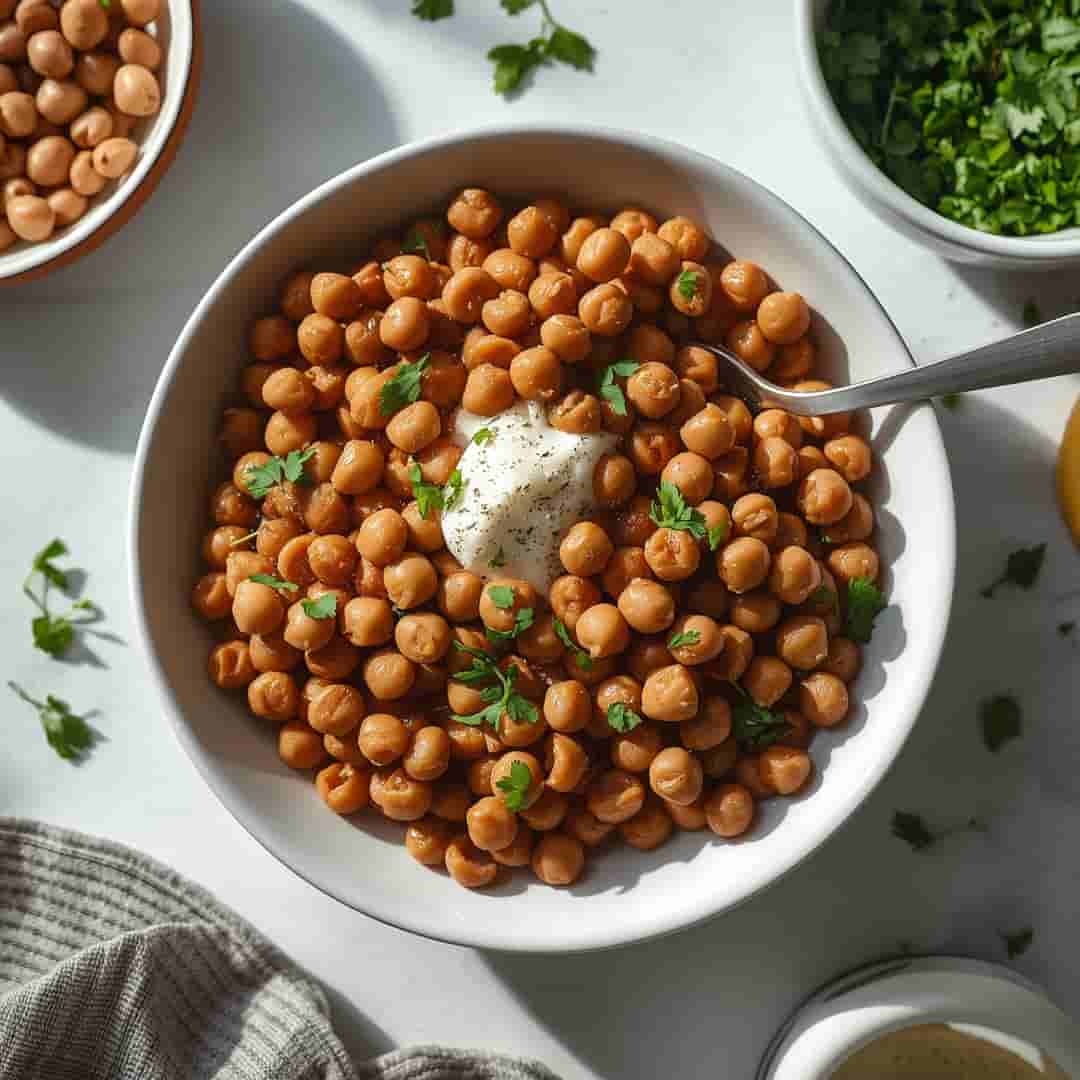
New Years Black Eyed Pea Recipes
Ingredients
Equipment
Method
- Prepare the Black-Eyed Peas: Rinse the dried black-eyed peas thoroughly under cold running water. Pick through them to remove any small stones or debris. While some older recipes call for overnight soaking, many modern methods, especially for unsoaked peas, involve a quick boil method to soften them before simmering. To quick soak: Place peas in a large pot, cover with water by 2 inches, bring to a boil for 2 minutes, then remove from heat, cover, and let stand for 1 hour. Drain well.1 pound Dried Black-Eyed Peas
- Render the Pork: In a large Dutch oven or heavy-bottomed pot, place the ham hock (or salt pork/bacon). If using bacon, cook until crispy, remove, and reserve. If using ham hock or salt pork, add a tablespoon of olive oil if needed, and brown on all sides over medium-high heat for about 5-7 minutes. This step helps develop a rich flavor base.½ pound Smoked Ham Hock or Salt Pork
- Sauté the Aromatics: Reduce heat to medium. Add the chopped onion, green bell pepper, and celery to the pot (with the ham hock if still in the pot, or with the rendered bacon fat). Sauté for 8-10 minutes, or until the vegetables are softened and the onion is translucent. Add the minced garlic and cook for another minute until fragrant.1 large Yellow Onion, 1 Green Bell Pepper, 2 stalks Celery, 2 cloves Garlic
- Add Spices and Peas: Stir in the smoked paprika and cayenne pepper (if using) and cook for 30 seconds, allowing the spices to bloom. Add the rinsed and prepared black-eyed peas to the pot, stirring to combine them with the vegetables and spices.1-2 tsp Smoked Paprika, ½ tsp Cayenne Pepper, 1 pound Dried Black-Eyed Peas
- Simmer to Perfection: Pour in the chicken or vegetable broth, ensuring the peas are fully submerged. Add the bay leaf. Bring the mixture to a boil, then reduce the heat to low, cover the pot, and simmer gently for 1 to 1.5 hours, or until the black-eyed peas are tender and creamy. Stir occasionally to prevent sticking. If the liquid evaporates too much, add a little more broth or water.6-8 cups Chicken or Vegetable Broth, 1 Bay Leaf
- Finish and Season: Once the peas are tender, remove the ham hock (if used) and bay leaf. If using a ham hock, you can pull the meat off the bone, shred it, and return it to the pot for extra flavor and substance. Season the black-eyed peas generously with salt and freshly ground black pepper to taste. Adjust seasoning as needed.Salt and Freshly Ground Black Pepper
- Serve: Ladle the New Years Black Eyed Peas into bowls. Garnish with chopped fresh cilantro or parsley, a dash of hot sauce, and a side of warm cornbread for a truly traditional and delicious meal.chopped fresh cilantro or parsley, hot sauce, Cornbread
Notes
2. The Power of Pork: The smoky element is crucial. Ham hocks are traditional, but salt pork or thick-cut bacon are excellent substitutes. For a lighter touch, smoked turkey wings or necks can impart flavor.
3. Building Flavor Layers: Don’t rush sautéing your “holy trinity” (onion, celery, bell pepper) and garlic. Allow them to soften and become fragrant to form the essential flavor base. Add spices like paprika to bloom in a little fat before adding liquid for maximum flavor release.