
The Ultimate Apricot Pineapple Jam Recipe for Sweet Summer Flavor
Welcome to the most vibrant and flavorful preserve you’ll make all year! This Apricot Pineapple Jam Recipe perfectly balances the tartness of apricots with the tropical sweetness of pineapple, creating a spread that tastes like bottled sunshine. Get ready to elevate your breakfast routine with this simple, yet spectacular homemade jam.
Why You Will Love This Recipe
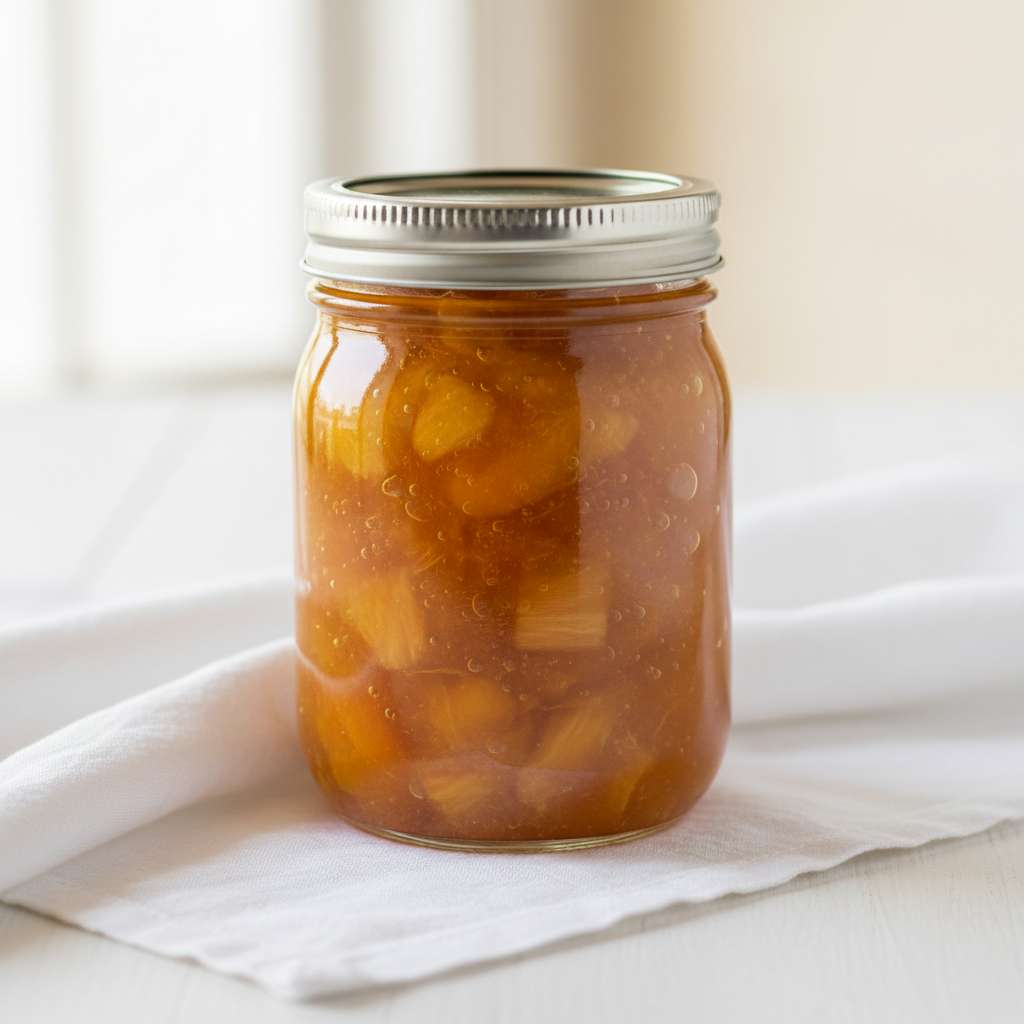
This Apricot Pineapple Jam Recipe is incredibly easy to follow, making it perfect for beginner canners and seasoned preservers alike. The combination of fruit yields a complex flavor profile—sweet, tangy, and wonderfully aromatic—that pairs well with virtually anything. Unlike store-bought versions, homemade jam allows you to control the sugar content and ensures you are using the freshest possible ingredients. Plus, the bright orange and yellow hues make for beautiful gift-giving or stunning pantry displays.
Ingredients
- 2 cups fresh or frozen apricots, pitted and chopped
- 2 cups fresh or canned pineapple, finely chopped or crushed
- 3 cups granulated sugar (adjust based on fruit sweetness)
- 1 large lemon, juiced (about 1/4 cup)
- 1 pouch liquid pectin (or required amount of powdered pectin)
Step-by-Step Instructions
- Prepare your canning jars and lids according to standard safe canning procedures (sterilize jars in boiling water or a hot oven). Keep them warm until ready to fill.
- In a large, heavy-bottomed pot or Dutch oven, combine the chopped apricots, chopped pineapple, and lemon juice.
- Cook the fruit mixture over medium heat, stirring frequently, until it begins to simmer and the fruit softens, about 10 to 15 minutes. Mash the fruit slightly with a potato masher if you prefer a smoother jam texture.
- Stir in the granulated sugar until it is completely dissolved. Bring the mixture to a rolling boil that cannot be stirred down.
- Add the pectin according to the package directions. Pectin instructions vary slightly, but generally, you stir it in rapidly and return the mixture to a full, rolling boil.
- Boil hard for exactly one minute, stirring constantly to prevent scorching.
- Remove the pot from the heat. Skim off any foam that has formed on the surface with a metal spoon.
- Carefully ladle the hot jam into the prepared, hot canning jars, leaving 1/4 inch headspace (the space between the top of the liquid and the jar rim).
- Wipe the rims clean with a damp cloth, center the lids, and tighten the bands to fingertip tight.
- Process the jars in a boiling water bath canner for 10 minutes (adjust processing time for altitudes above 1,000 feet).
- Remove the jars, place them on a towel-lined counter, and allow them to cool undisturbed for 12 to 24 hours until the seals pop. Check seals before storing.
Expert Tips / Pro Tips
- Measure Accurately: Jam making is a science, especially when using commercial pectin. Always measure your fruit and sugar precisely as directed.
- Use the Right Pot: Ensure your pot is large enough. As the jam boils, it will expand significantly. A wider pot allows for faster evaporation, which helps the jam set properly.
- Test for Set: If you are unsure about your pectin, test the jam set before jarring. Place a small plate in the freezer before starting. When you think the jam is ready, drop a teaspoonful onto the cold plate. Return the plate to the freezer for one minute. Push the jam with your finger; if it wrinkles, it is set. If it runs, continue boiling and test again.
- Use Fresh Lemon Juice: Bottled lemon juice can sometimes interfere with the pectin’s ability to gel. Freshly squeezed juice provides the necessary acid content reliably.
Variations & Substitutions
- Spice it Up: Add 1/2 teaspoon of ground ginger or a pinch of cayenne pepper during the final boil for a delightful warmth that complements the tropical fruit.
- Rosemary Infusion: For a sophisticated twist, add one small sprig of fresh rosemary to the fruit while it cooks down, removing it just before adding the pectin.
- Low Sugar Option: If you prefer less sugar, you must use a specialized low-sugar pectin designed for jams and jellies, following its specific inclusion instructions, as standard pectin requires a certain sugar concentration to activate.
- Mango Addition: Substitute half of the apricots with ripe mango for a richer, more intensely tropical flavor profile.
Serving Suggestions
This Apricot Pineapple Jam is wonderfully versatile. Serve it traditionally on warm buttered toast or scones. It makes an incredible glaze for roasted ham or chicken, providing a sticky, sweet crust. Use it as a filling between cake layers, swirl it into plain Greek yogurt, or serve it alongside a sharp cheddar cheese board for a delightful sweet and savory pairing.
Storage, Freezing & Reheating
Properly processed canned jars of this Apricot Pineapple Jam Recipe will be shelf-stable in a cool, dark pantry for up to one year. Once opened, the jar must be refrigerated and is typically best consumed within 3 to 4 weeks. If you do not plan to can the jam immediately, simply pour the cooled jam into airtight containers and freeze for up to 6 months. Thaw completely in the refrigerator before using.
Nutrition Information
The following is an approximate nutritional breakdown per standard 1-tablespoon serving, based on the recipe yield:
| Nutrient | Amount |
|---|---|
| Calories | 55 kcal |
| Total Fat | 0g |
| Sodium | 0mg |
| Total Carbohydrates | 14g |
| Total Sugars | 14g |
| Protein | 0g |
FAQ
Why is my jam runny and not setting?
The most common reason for runny jam is insufficient boiling time after the pectin is added, or not boiling hard enough for the specified duration. Ensure you achieve a full, rolling boil that cannot be stirred down. Also, verify that your lemon juice amount was adequate, as low acidity prevents proper gelling, even with added pectin.
Can I use low-sugar fruit to make this jam?
Apricots are naturally moderately acidic, which helps setting, but if your fruits are very underripe or you choose to reduce the sugar significantly, you must use a special low-sugar or no-sugar pectin product. Standard liquid or powdered pectin requires sugar to activate its gelling properties correctly.
How do I know if my canned jars have sealed properly?
After the jars have cooled completely (usually 12-24 hours), press down on the center of the lid. If the lid does not move or flex, it is sealed. If the center pops up and down, it did not seal, and that jar must be refrigerated and used within a few weeks.
Apricot Pineapple Jam Recipe
Ingredients
Method
- Prepare the apricots: Place the halved and pitted apricots in a large, heavy-bottomed pot. Add the reserved pineapple juice.
- Cook the fruit: Bring the mixture to a boil over medium-high heat, stirring frequently. Reduce heat and simmer for 10 minutes, mashing the apricots slightly with a potato masher for a chunkier texture.
- Add pectin and sugar: In a small bowl, whisk the powdered pectin into about 1/2 cup of the granulated sugar until thoroughly combined (to prevent clumping). Add this mixture to the fruit and stir well.
- Boil vigorously: Add the remaining sugar and the lemon juice. Bring the mixture to a full rolling boil that cannot be stirred down. Boil hard for exactly 1 minute, stirring constantly.
- Finish and skim: Remove the pot from the heat. Skim off any foam appearing on the surface using a metal spoon. Carefully stir in the drained crushed pineapple.
- Jar the jam: Ladle the hot jam into sterilized jars, leaving 1/4 inch headspace. Wipe rims clean and seal with lids and bands. Process in a boiling water bath for 10 minutes for shelf stability, or refrigerate for immediate use.