
The Best Homemade Apricot Cake Recipe for Spring Baking
Craving a bright, slightly tangy, and wonderfully moist cake perfect for afternoon tea or dessert? This Homemade Apricot Cake Recipe delivers everything you want in a simple yet elegant baked good. Bursting with fresh or preserved apricot flavor, this recipe is straightforward enough for novice bakers but delicious enough for company.Why You Will Love This Recipe
This Homemade Apricot Cake Recipe is a staple for good reason. It utilizes the natural sweetness and slight tartness of apricots, creating a perfectly tender crumb that stays moist for days. It’s visually stunning, especially when topped with a simple glaze or fresh fruit, and it captures the essence of spring and summer baking beautifully. Unlike overly complicated layer cakes, this recipe results in a comforting, flavorful single-layer cake that is easily manageable.
Ingredients
- 1 ½ cups all-purpose flour
- 1 teaspoon baking powder
- ½ teaspoon baking soda
- ¼ teaspoon salt
- ½ cup (1 stick) unsalted butter, softened
- 1 cup granulated sugar
- 2 large eggs, room temperature
- 1 teaspoon vanilla extract
- ½ cup plain yogurt or sour cream
- ½ cup apricot jam or finely chopped fresh/canned apricots
- 1 tablespoon lemon juice (optional, enhances apricot flavor)
Step-by-Step Instructions
- Preheat your oven to 350°F (175°C). Grease and flour an 8 or 9-inch round cake pan, or line the bottom with parchment paper.
- In a medium bowl, whisk together the flour, baking powder, baking soda, and salt. Set aside.
- In a large bowl, cream together the softened butter and granulated sugar using an electric mixer until light and fluffy, about 3 to 4 minutes.
- Beat in the eggs one at a time, ensuring each is fully incorporated before adding the next. Mix in the vanilla extract.
- In a small bowl, stir together the yogurt (or sour cream) and the apricot jam/chopped apricots (and lemon juice, if using).
- Gradually add the dry ingredients to the wet ingredients, alternating with the apricot/yogurt mixture, beginning and ending with the dry ingredients (e.g., Dry, Wet, Dry, Wet, Dry). Mix only until just combined; do not overmix.
- Pour the batter into the prepared cake pan and spread evenly.
- Bake for 30 to 35 minutes, or until a toothpick inserted into the center comes out clean.
- Let the cake cool in the pan for 10 minutes before inverting it onto a wire rack to cool completely.
- Once cooled, dust with powdered sugar or drizzle with an optional apricot glaze.
Expert Tips / Pro Tips
For the absolute best texture in your Homemade Apricot Cake Recipe, ensure your butter and eggs are at true room temperature; this allows them to emulsify properly, leading to a lighter crumb.
If using fresh apricots, ensure they are very ripe and finely chopped, or even pureed slightly, so they integrate well into the batter without sinking.
Do not overmix once the flour is added. Overmixing develops gluten, resulting in a tough cake rather than a tender one.
For an extra layer of flavor, brush the top of the warm cake with a little apricot jam thinned with a teaspoon of water immediately after it comes out of the oven—this creates a lovely, shiny seal.
Variations & Substitutions
Nutty Addition: Add a half cup of finely chopped toasted walnuts or pecans to the batter for added crunch.
Spice It Up: Add ½ teaspoon of ground cardamom or a pinch of cinnamon to the dry ingredients; these spices pair wonderfully with apricot.
Gluten-Free Option: Substitute the all-purpose flour with a quality 1:1 gluten-free baking blend, following standard gluten-free baking guidelines.
Dairy-Free: Use a sturdy non-dairy yogurt (like coconut or soy) and replace butter with a solid plant-based baking stick.
Serving Suggestions
This cake shines when served slightly warm or at room temperature. A dusting of confectioners’ sugar is classic and simple.
For a more decadent dessert, serve slices topped with crème fraîche or a dollop of lightly sweetened whipped cream. A small scoop of vanilla bean ice cream also complements the fruit beautifully.
Fresh mint sprigs add a lovely pop of color and freshness when presenting the cake.
Storage, Freezing & Reheating
Storage: Store leftover cake tightly covered at room temperature for up to 3 days, or in the refrigerator for up to 5 days. If refrigerated, allow it to come to room temperature before serving for the best flavor and texture.
Freezing: This cake freezes beautifully. After cooling completely, wrap the whole cake or individual slices tightly in plastic wrap, followed by a layer of aluminum foil. Freeze for up to 3 months. Thaw overnight in the refrigerator before serving.
Reheating: Warm individual slices briefly in the microwave (about 15 seconds) or in a low oven (300°F/150°C) for 5-7 minutes.
Nutrition Information
The following values are estimates based on 12 servings; actual nutritional content may vary based on exact ingredient brands and measurements used.
| Nutrient | Amount (Approximate) |
|---|---|
| Calories | 285 kcal |
| Fat | 13g |
| Saturated Fat | 8g |
| Carbohydrates | 40g |
| Sugar | 25g |
| Protein | 4g |
FAQ
Can I use frozen apricots instead of fresh or jam?
Yes, you can use frozen apricots. Thaw them completely first and drain off any excess liquid to prevent the cake batter from becoming too wet. If needed, toss the thawed apricots with a tablespoon of flour before mixing them into the batter.
What is the best way to get a moist cake?
Moisture primarily comes from the proper balance of fats (butter) and acidic moisture sources (yogurt/sour cream). Always adhere strictly to the ingredient amounts and avoid overbaking, which is the number one cause of dry cakes.
How do I make a simple apricot glaze?
To make a simple glaze, whisk together ½ cup of sifted powdered sugar with 2 tablespoons of warmed apricot jam and 1 teaspoon of milk or water until smooth. Drizzle over the cooled cake.
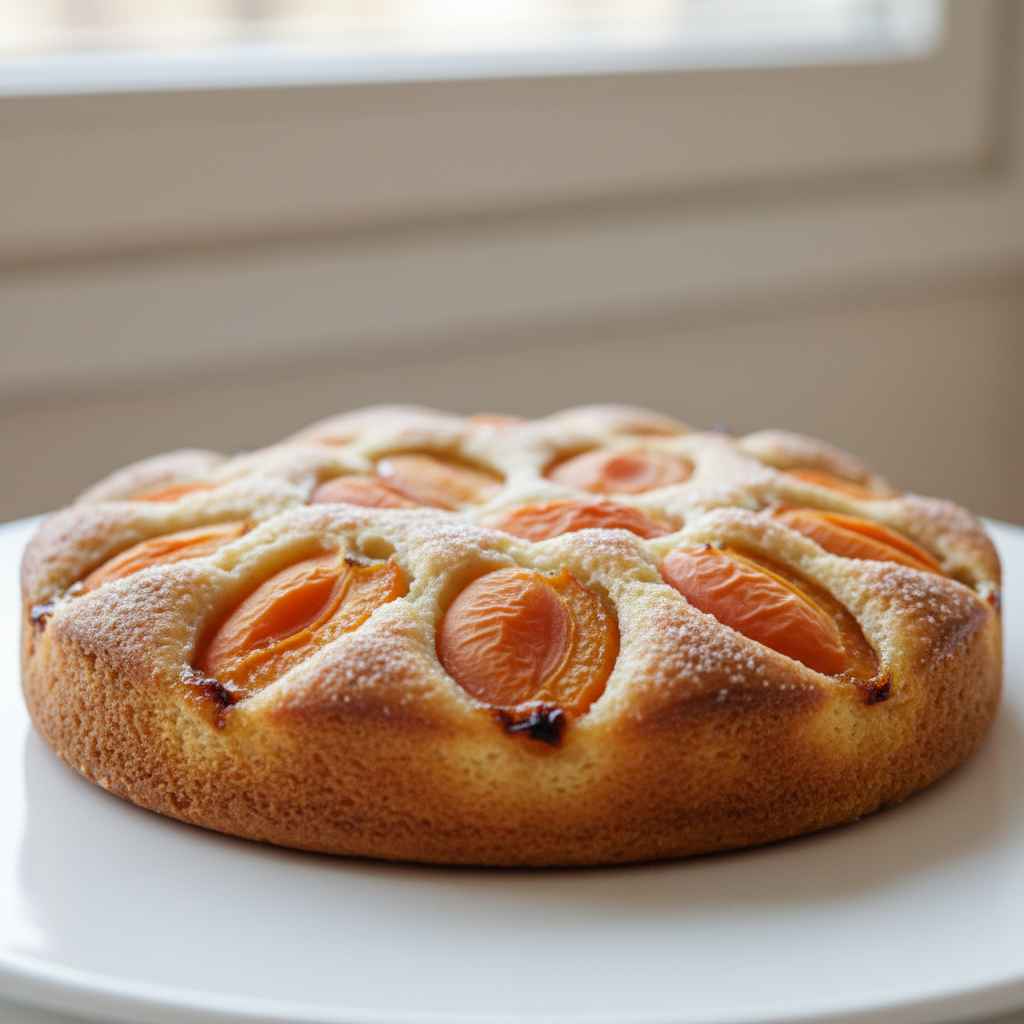
Homemade Apricot Cake Recipe
Ingredients
Method
- Preheat your oven to 350°F (175°C). Grease and flour two 8-inch round cake pans, or line them with parchment paper.
- In a large bowl, cream together the softened butter and granulated sugar until light and fluffy (about 3-4 minutes).
- Beat in the eggs one at a time, ensuring each is fully incorporated before adding the next. Stir in the vanilla extract.
- In a separate bowl, whisk together the sifted flour, baking powder, and salt. Gradually add the dry ingredients to the wet mixture, alternating with the milk, beginning and ending with the flour mixture. Mix until just combined; do not overmix.
- Divide the batter evenly between the prepared cake pans. Bake for 30-35 minutes, or until a wooden skewer inserted into the center comes out clean. Let the cakes cool in the pans for 10 minutes before inverting them onto a wire rack to cool completely.
- Once completely cool, place one cake layer on a serving plate. Spread the warmed apricot jam evenly over the top.
- Place the second cake layer on top. For the glaze, whisk together the powdered sugar and lemon juice until smooth. Drizzle the glaze over the top of the cake, allowing it to drip down the sides. Let the glaze set before slicing and serving.