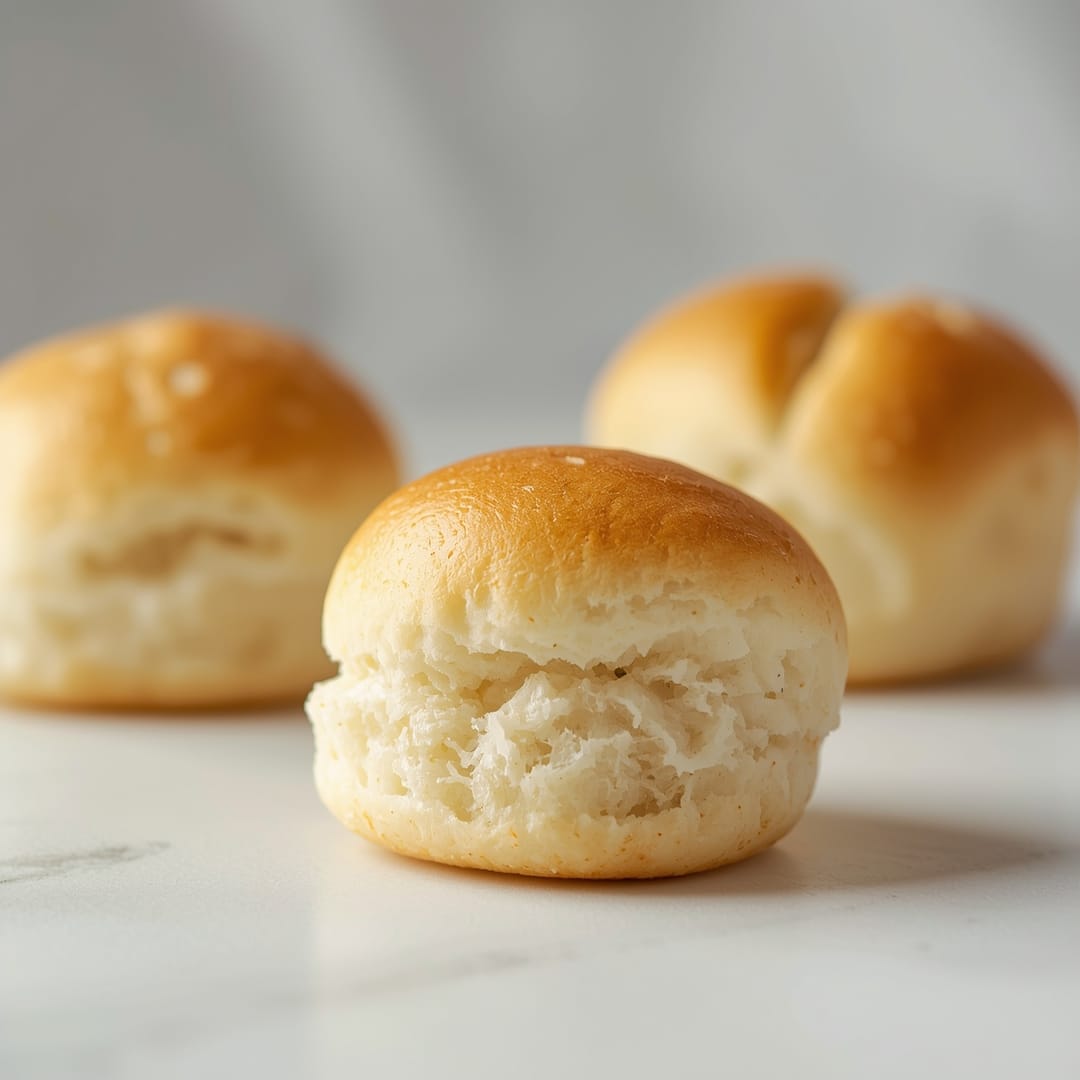
Ingredients
Equipment
Method
- In a large mixing bowl, combine the warm water, active dry yeast, and granulated sugar. Give it a gentle stir and let it sit for 5-10 minutes. You should see a foamy layer form on top, indicating that your yeast is alive and ready to work its magic. If it doesn’t foam, your yeast might be expired, or the water wasn't the right temperature, so start again with fresh yeast.1 ½ cups warm water, 2 ¼ teaspoons active dry yeast, 1 tablespoon granulated sugar
- In a separate medium bowl, whisk together your gluten-free all-purpose flour blend and salt. If your flour blend doesn't contain xanthan gum, be sure to add it here at this stage. This is crucial for providing structure and elasticity to your gluten-free dough.3 ½ cups gluten-free all-purpose flour blend, 1 teaspoon salt
- Once the yeast mixture is foamy, add the olive oil to the bowl. Gradually add the dry ingredients to the wet ingredients, mixing until just combined. A stand mixer with a paddle attachment is ideal here, but you can also use a sturdy spoon or spatula. The dough will be quite sticky and more like a thick batter than a traditional bread dough, which is perfectly normal for gluten-free baking.2 tablespoons olive oil
- Lightly grease another clean bowl with olive oil. Scrape the sticky dough into the prepared bowl, gently turning it to coat with oil. Cover the bowl tightly with plastic wrap or a damp kitchen towel. Place it in a warm, draft-free spot to rise for 45-60 minutes, or until it has nearly doubled in size. The warmer your environment, the faster it will rise.2 tablespoons olive oil
- Once the dough has risen, gently punch it down to release some of the air. Lightly flour a clean work surface with a bit of gluten-free flour (or use a silicone mat). Turn the sticky dough out onto the prepared surface. Divide the dough into 8-10 equal portions. With lightly oiled hands or floured hands, gently shape each portion into a round ball by tucking the edges underneath. Avoid overworking the dough.
- Place the shaped rolls onto a baking sheet lined with parchment paper, leaving about 2 inches of space between each roll. You can also place them into a greased muffin tin for more uniform shapes. Cover the rolls loosely with plastic wrap or a damp kitchen towel and let them rise again for another 30-45 minutes in a warm place. They should puff up nicely.
- While the rolls are doing their second rise, preheat your oven to 375°F (190°C).
- If you desire a golden-brown crust and a lovely sheen, gently brush the tops of the risen rolls with the lightly beaten egg. For added flavor and visual appeal, sprinkle a little flaky sea salt over the top of each roll.1 large egg, flaky sea salt
- Bake the Fluffy Gluten-Free Bread Rolls for 18-22 minutes, or until they are golden brown on top and sound hollow when gently tapped on the bottom. The exact baking time will depend on your oven and the size of your rolls.
- Once baked, carefully remove the rolls from the oven and transfer them to a wire rack to cool. It’s tempting to dive in immediately, but allowing them to cool slightly will help them achieve their best texture.
Notes
Store in an airtight container at room temperature for up to 2 days. Freeze for longer storage.
