
The Best Apricot Mousse Recipe for a Light and Fruity Dessert
Discover the delightful lightness and vibrant flavor of this incredible Apricot Mousse Recipe. This dessert is surprisingly easy to make yet looks elegant enough for any special occasion. If you are searching for a refreshing, fruit-forward mousse that balances sweetness perfectly, look no further.
Why You Will Love This Recipe
This Apricot Mousse Recipe is an absolute gem for warm weather entertaining or whenever you crave something light but decadent. You will love how effortlessly the flavor of ripe apricots shines through, creating a texture that is airy, smooth, and melt-in-your-mouth delicious. It uses simple ingredients, requires a minimum of hands-on time, and offers a stunning presentation that never fails to impress guests. It’s a fantastic alternative to heavy chocolate or cream-based desserts.
Ingredients
- Fresh or canned ripe apricots (about 1 pound fresh, or 1 (15-ounce) can drained)
- Granulated sugar (adjust based on the sweetness of your apricots)
- Fresh lemon juice
- Water
- Unflavored gelatin powder
- Cold water (for blooming gelatin)
- Heavy whipping cream, well chilled
Step-by-Step Instructions
- Prepare the Apricots: If using fresh apricots, halve them, remove the pits, and place them in a saucepan with the sugar, lemon juice, and 1/4 cup of water. Cook over medium heat, stirring occasionally, until the fruit is very soft (about 10-15 minutes). If using canned apricots, skip the cooking step and proceed to pureeing.
- Make the Puree: Transfer the cooked or canned apricots and their juices to a blender or food processor. Blend until completely smooth. Set aside 1 cup of this apricot puree.
- Bloom and Dissolve Gelatin: In a small bowl, sprinkle the gelatin powder over 2 tablespoons of cold water. Let it sit for 5 minutes to “bloom.” Heat the remaining 1/4 cup of apricot puree gently (do not boil). Add the bloomed gelatin to the warm puree and stir until the gelatin is fully dissolved and no granules remain.
- Incorporate Gelatin into Puree: Whisk the gelatin mixture thoroughly into the remaining 1 cup of apricot puree until evenly combined. Let this mixture cool to room temperature, ensuring it is slightly thickened but still pourable.
- Whip the Cream: In a separate large, chilled bowl, whip the heavy whipping cream until stiff peaks form. Be careful not to over-whip.
- Fold Gently: Once the apricot mixture has cooled and slightly thickened, gently fold about one-third of the whipped cream into the apricot mixture to lighten it. Then, gently fold the lightened apricot mixture into the remaining whipped cream until just combined. Do not overmix, or you will deflate the air.
- Chill: Divide the mousse into individual serving glasses or a large serving bowl. Cover loosely and chill in the refrigerator for at least 4 hours, or preferably overnight, until firm.
Expert Tips / Pro Tips
For the silkiest texture, press the apricot puree through a fine-mesh sieve before adding the gelatin, especially if your fruit was slightly fibrous.
Ensure your heavy cream and mixing bowl are very cold before whipping; this helps the cream achieve maximum volume and stiffness needed to hold the mousse structure.
When folding the cream into the fruit base, use a spatula and cut down the center and sweep up the side of the bowl. This technique preserves the maximum amount of air captured from the whipped cream, resulting in a fluffier mousse.
If your mousse is taking too long to set, you can place it in the freezer for 15-minute intervals, stirring gently once halfway through, though careful chilling is usually sufficient.
Variations & Substitutions
Spice Addition: Add 1/4 teaspoon of ground cinnamon or a pinch of ground ginger to the apricot puree while cooking for an autumnal twist.
Liqueur Swap: Instead of using only water for blooming the gelatin, substitute water with a complementary liqueur, such as Grand Marnier or Amaretto, for an adult version.
Dairy-Free Option: Substitute the heavy whipping cream with a high-quality, full-fat chilled coconut cream for a plant-based mousse.
Other Stone Fruits: This method works beautifully with peach, plum, or nectarine mousse; simply substitute the apricots with your chosen fruit.
Serving Suggestions
This delicate mousse pairs wonderfully with a crisp vanilla tuile cookie or delicate shortbread for textural contrast.
Garnish generously with finely chopped pistachios or slivered almonds just before serving for crunch and color.
A small dollop of fresh, lightly sweetened crème fraîche on top adds a lovely tangy counterpoint to the sweetness of the apricot.
For presentation, dust lightly with powdered sugar or use a single thin slice of dried apricot placed on top.
Storage, Freezing & Reheating
Storage: The prepared mousse must be stored in an airtight container in the refrigerator. It is best consumed within 3 to 4 days for optimal flavor and texture.
Freezing: Due to the high cream and gelatin content, freezing this mousse is not recommended. While it will freeze solid, the texture upon thawing often becomes grainy or separates.
Reheating: This dessert is served cold and does not require reheating. If it softens too much at room temperature, simply return it to the refrigerator for 30 minutes before serving.
Nutrition Information
Note: Nutritional values are estimations based on standard ingredient quantities and brands and will vary based on exact measurements and added sugar.
| Nutrient | Amount Per Serving (Approximate) |
|---|---|
| Calories | 250 – 300 kcal |
| Total Fat | 18g |
| Saturated Fat | 11g |
| Carbohydrates | 22g |
| Sugars | 18g |
| Protein | 4g |
FAQ
Can I use frozen apricots instead of fresh ones?
Yes, absolutely. If using frozen apricots, thaw them completely first, drain off any excess liquid, and then proceed with the cooking step as written in the instructions, or puree them raw if they are very soft and sweet.
How do I ensure my mousse is light and airy and not dense?
The key is twofold: first, incorporate enough air into the heavy cream by whipping it to stiff peaks. Second, use gentle folding techniques when combining the whipped cream with the fruit base. Overmixing will deflate the air, resulting in a dense texture.
What is the purpose of the lemon juice in this recipe?
The lemon juice serves two important functions: it brightens the natural flavor of the apricots, preventing them from tasting flat, and the acidity helps stabilize the pectin and the mousse structure slightly.
Can I make this mousse ahead of time?
Yes, this Apricot Mousse Recipe benefits from being made ahead. Aim to prepare it at least 4 hours before serving, or even the day before, as this allows sufficient time for the gelatin to fully set the mousse.
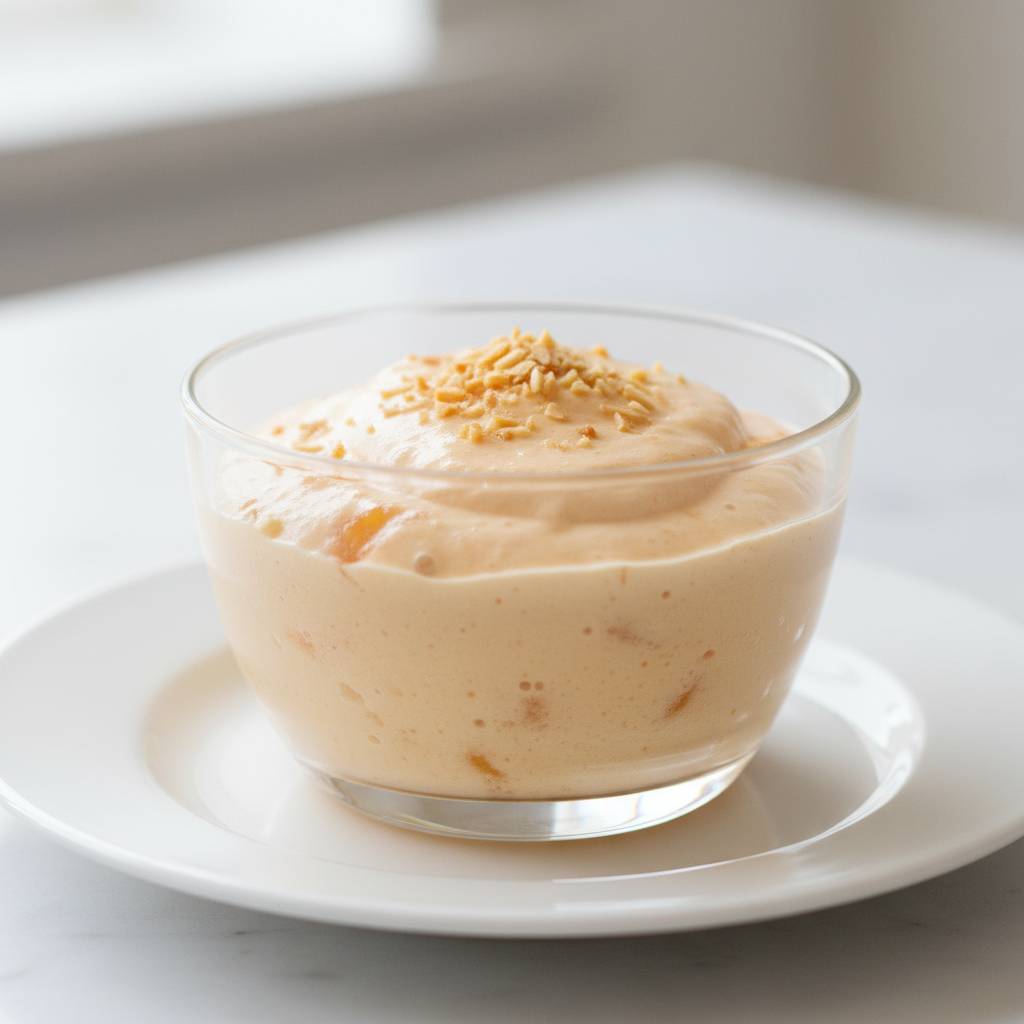
Apricot Mousse Recipe
Ingredients
Method
- Prepare the apricot purée: Combine the apricots, granulated sugar, and lemon juice in a small saucepan. Cook over medium heat for 8-10 minutes, stirring occasionally, until the apricots are very soft.
- Strain and cool the purée: Transfer the cooked apricot mixture to a blender or food processor and blend until perfectly smooth. Pass the purée through a fine-mesh sieve to remove any remaining skin particles. Set aside to cool to room temperature.
- Bloom and dissolve the gelatin: Pour the cold water into a small bowl and sprinkle the gelatin powder evenly over the top. Let it sit for 5 minutes (blooming). Microwave the bloomed gelatin for 10-15 seconds until completely liquid and clear. Let it cool slightly.
- Fold in the gelatin: Gently whisk the cooled, liquid gelatin into the cooled apricot purée until fully incorporated. Be careful not to introduce air bubbles.
- Whip the cream: In a separate, chilled bowl, beat the heavy whipping cream with the powdered sugar and vanilla extract until medium-stiff peaks form.
- Assemble the mousse: Gently fold one-third of the whipped cream into the apricot purée mixture to lighten it. Then, gently fold in the remaining whipped cream in two additions until just combined, making sure not to deflate the volume.
- Chill: Carefully spoon or pipe the mousse into individual serving glasses or ramekins. Refrigerate for at least 4 hours, or preferably overnight, until firmly set.