
Easy Apricot Butter Recipe: The Sweetest Spread for Your Pantry
Discover the simplicity and vibrant flavor of making your own fruit butter at home with this Easy Apricot Butter Recipe. This spread is perfect for slathering on toast, swirling into yogurt, or giving as a thoughtful homemade gift. Forget the store-bought versions; you won’t believe how simple it is to achieve this rich, naturally sweet concoction!
Why You Will Love This Recipe
This Easy Apricot Butter Recipe is a staple for any home cook looking for delicious pantry preserves with minimal fuss. You control the sugar content, leading to a fresher, more intense apricot flavor than many commercial brands. It requires very few ingredients and relies mostly on slow simmering for that perfect, velvety texture. It’s naturally gluten-free and vegan, making it accessible for almost everyone at your breakfast table.
Ingredients
- 3 pounds fresh or frozen ripe apricots, halved and pitted
- 1 cup granulated sugar (adjust to taste after cooking)
- 1/2 cup water
- 1 tablespoon fresh lemon juice
- 1 teaspoon ground cinnamon (optional)
Step-by-Step Instructions
- Prepare the Apricots: If using fresh apricots, wash them thoroughly, slice them in half, and remove the pits. If using frozen, there is generally no need to thaw them first.
- Simmer the Fruit: Place the prepared apricots, water, and lemon juice into a large, heavy-bottomed pot or Dutch oven. Bring the mixture to a gentle boil over medium heat, then reduce the heat to low, cover, and simmer for 15 to 20 minutes, or until the apricots are very soft and easily mashable.
- Puree the Mixture: Carefully transfer the hot apricot mixture to a blender or use an immersion blender directly in the pot. Blend until completely smooth. Be cautious when blending hot liquids.
- Combine and Cook Down: Return the smooth puree to the pot. Stir in the sugar and cinnamon (if using). Bring the mixture back to a low simmer over medium-low heat.
- Reduce to Butter Consistency: This is the crucial step. Uncover the pot and let the mixture simmer very slowly, stirring frequently (every 5-10 minutes initially, and more frequently as it thickens), for 45 minutes to 1.5 hours. The goal is to cook off excess moisture until the butter coats the back of a spoon thickly and significantly darkens in color.
- Cool and Store: Once thickened to your liking, remove the pot from the heat. The apricot butter will thicken considerably more as it cools. Let it cool down slightly before transferring it to clean jars for storage.
Expert Tips / Pro Tips
- Use Ripe Fruit: Starting with very ripe, sweet apricots will yield the best flavor and reduce the need for added sugar.
- Avoid Scorching: Because fruit butter contains sugar and cooks for a long time, it is prone to scorching on the bottom of the pan. Use a heavy-bottomed pot and stir often, especially toward the end of the cooking time.
- Test for Set Point: To check if your butter is done, drop a small spoonful onto a chilled plate. If it mounds up and holds its shape without running, it is ready.
- Enhance the Flavor: A tiny pinch of ground cloves or nutmeg, added along with the cinnamon, can deepen the overall warmth of the flavor profile.
Variations & Substitutions
- Sugar Adjustment: Taste the puree before adding sugar. If your apricots are very sweet, reduce the granulated sugar by half, or substitute part of it with honey or maple syrup (note: using liquid sweeteners may require slightly longer cooking time).
- Spice It Up: Experiment! Try fresh ginger, cardamom, or even a splash of vanilla extract near the end of cooking.
- Low Sugar Option: For an ultra-low sugar version, cook the fruit down completely and rely solely on the natural sweetness. This version will have a shorter shelf life when stored outside the refrigerator.
- Citrus Swap: Instead of lemon juice, use lime juice for a slightly sharper tang.
Serving Suggestions
This homemade apricot butter is incredibly versatile! Serve it warm or cold alongside freshly baked scones or biscuits. It makes a fantastic glaze for roasted pork tenderloin or chicken. Swirl a spoonful into your morning oatmeal, layer it between cake layers for a bright filling, or simply enjoy it thickly spread on sourdough toast or pancakes.
Storage, Freezing & Reheating
Storage: Store the cooled apricot butter in airtight containers or sterilized canning jars in the refrigerator for up to 3 weeks. For long-term storage, process the filled jars using a boiling water bath method for shelf stability (check standard canning guidelines for timing).
Freezing: Apricot butter freezes beautifully. Transfer cooled butter into freezer-safe, airtight containers, leaving about a half-inch of headspace. It can be frozen for up to 6 months. Thaw overnight in the refrigerator before using.
Reheating: If serving warm, gently reheat a portion in a small saucepan over low heat until smooth.
Nutrition Information
Please note that nutrition facts are approximate and will vary based on the exact ripeness of the fruit and the amount of sugar used. This estimate is based on 8 servings using the full sugar amount listed in the Easy Apricot Butter Recipe.
| Nutrient | Amount Per Serving (Approx.) |
|---|---|
| Calories | 155 kcal |
| Total Fat | 0.2g |
| Carbohydrates | 39g |
| Dietary Fiber | 2.1g |
| Sugars | 35g |
| Protein | 0.6g |
FAQ
What is the difference between apricot jam and apricot butter?
Jam contains pieces of fruit pectin and sets more firmly. Fruit butter, like this recipe, is cooked down much longer until nearly all the water evaporates, resulting in a very smooth, concentrated spread that is intensely flavored and thick, often without added commercial pectin.
Can I use dried apricots instead of fresh ones?
You can, but the process changes significantly. If using dried apricots, you will need to hydrate them first (usually by soaking them in hot water for an hour, reserving the liquid). The cooking time will also be much shorter than outlined here.
Why is my apricot butter too thin?
It simply needs more time cooking uncovered over low heat. Keep stirring frequently and allow more moisture to evaporate until it reaches the desired coating consistency on the back of a spoon.
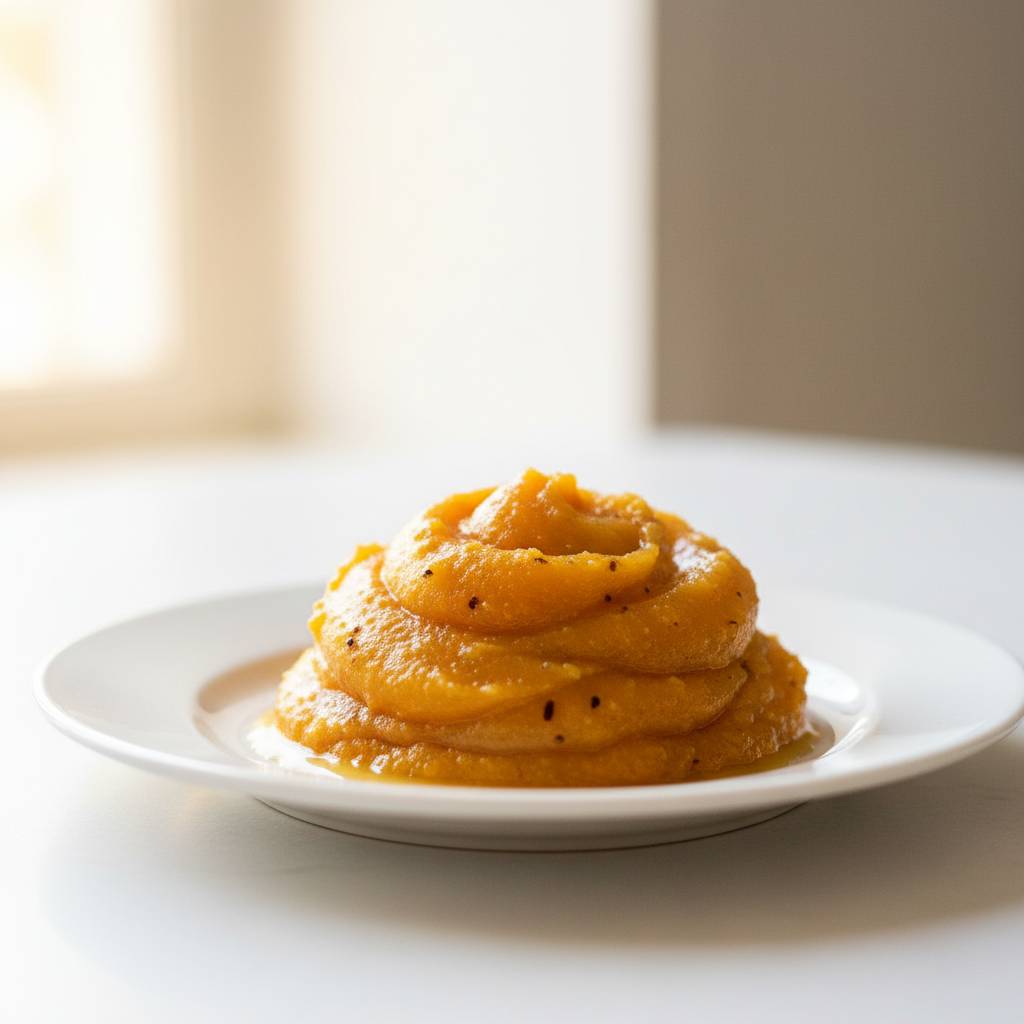
Easy Apricot Butter Recipe
Ingredients
Method
- In a large, non-reactive saucepan, combine the pitted apricots, sugar, water, lemon juice, and cinnamon (if using).
- Bring the mixture to a boil over medium-high heat, stirring occasionally to dissolve the sugar. Once boiling, reduce the heat to maintain a steady simmer.
- Simmer uncovered for approximately 90 minutes to 2 hours, stirring every 10-15 minutes to prevent sticking. The apricots should break down completely, and the mixture will thicken significantly.
- Test for readiness: The butter should coat the back of a spoon thickly. If you prefer a very smooth texture, carefully transfer the mixture to a blender or use an immersion blender to process until completely smooth. Be cautious, as hot liquids expand when blended.
- Return the smooth apricot butter to the saucepan and simmer for an additional 5-10 minutes to ensure any excess moisture evaporates and it reaches the desired spreadable consistency.
- Remove from heat. Pour the hot apricot butter into sterilized jars, leaving 1/4 inch headspace. Wipe rims clean and seal. For short-term storage, cool to room temperature and refrigerate. For long-term storage, process in a boiling water bath according to standard canning procedures.